In JavaScript, callbacks are functions passed as arguments to other functions, often used for asynchronous operations like reading files or making API requests. However, when multiple callbacks are nested inside one another, it creates what is known as Callback Hell.
💡 What is Callback Hell?
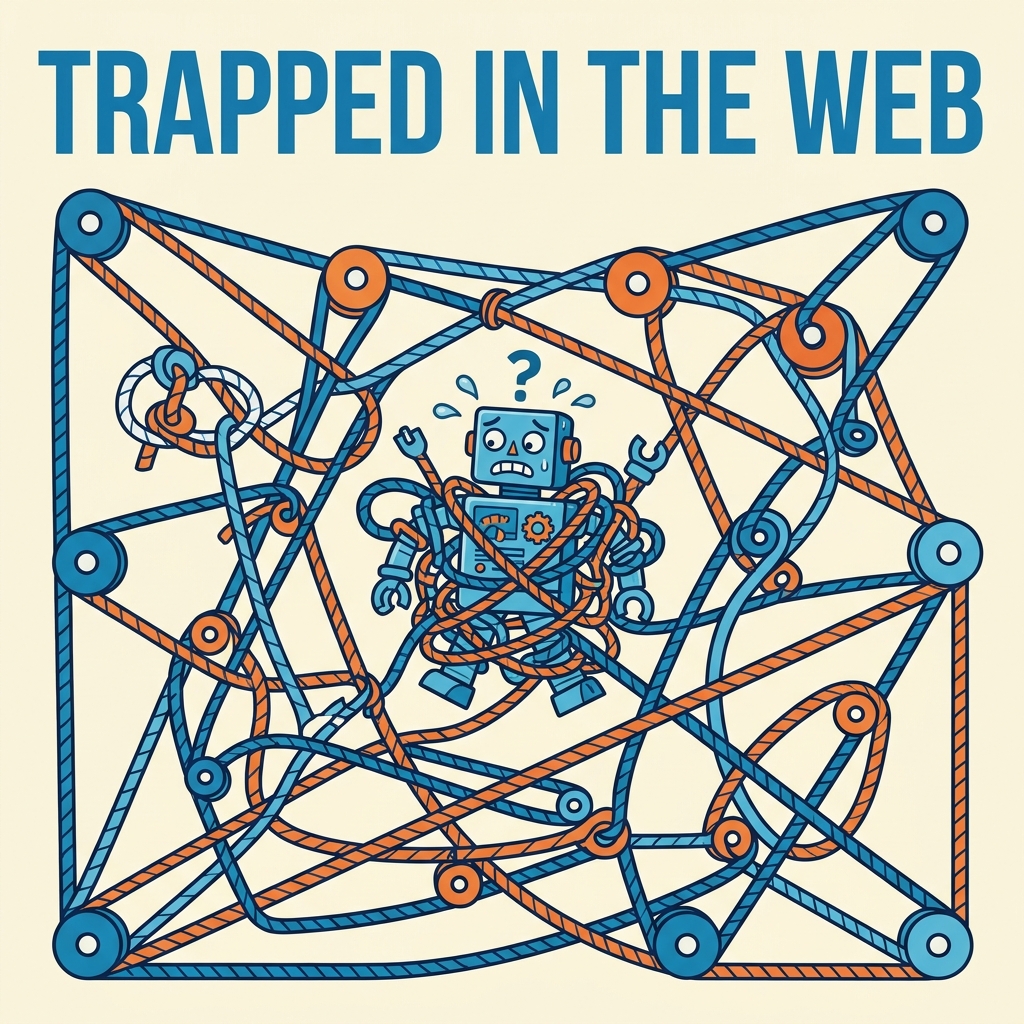
Callback Hell refers to deeply nested callbacks, making code hard to read, maintain, and debug. It often looks like a "pyramid" or "arrow" shape due to indentation.
Here is a simplified example of Callback Hell:
📌 Deep Dive: Nested Callbacks Example
doSomething(function(result) {
  doSomethingElse(result, function(newResult) {
    doThirdThing(newResult, function(finalResult) {
      console.log('Final result:', finalResult);
    });
  });
});
This structure quickly becomes difficult to follow, especially with complex logic or error handling.
⚠️ Why Avoid Callback Hell?
- Hard to read and understand
- Difficult to maintain and debug
- Error handling is complicated and repetitive
- Increases the risk of mistakes and bugs
| Symptom | Effect |
|---|---|
| Deeply nested callbacks | Code looks like a pyramid or arrow |
| Repeated error handling | Duplicate code, harder debugging |
| Lack of modularization | Code is less reusable |
💡 Practical Tip
To avoid Callback Hell, use techniques like Promises, async/await, or modularize your callbacks into named functions instead of anonymous ones.
Understanding Callback Hell is essential for writing cleaner asynchronous JavaScript code and improving overall code quality.
Quick Knowledge Check
Test what you just learned
Question 1 of 2
What is the main problem caused by Callback Hell?
Question 2 of 2
Which technique helps avoid Callback Hell?
Loading results...